
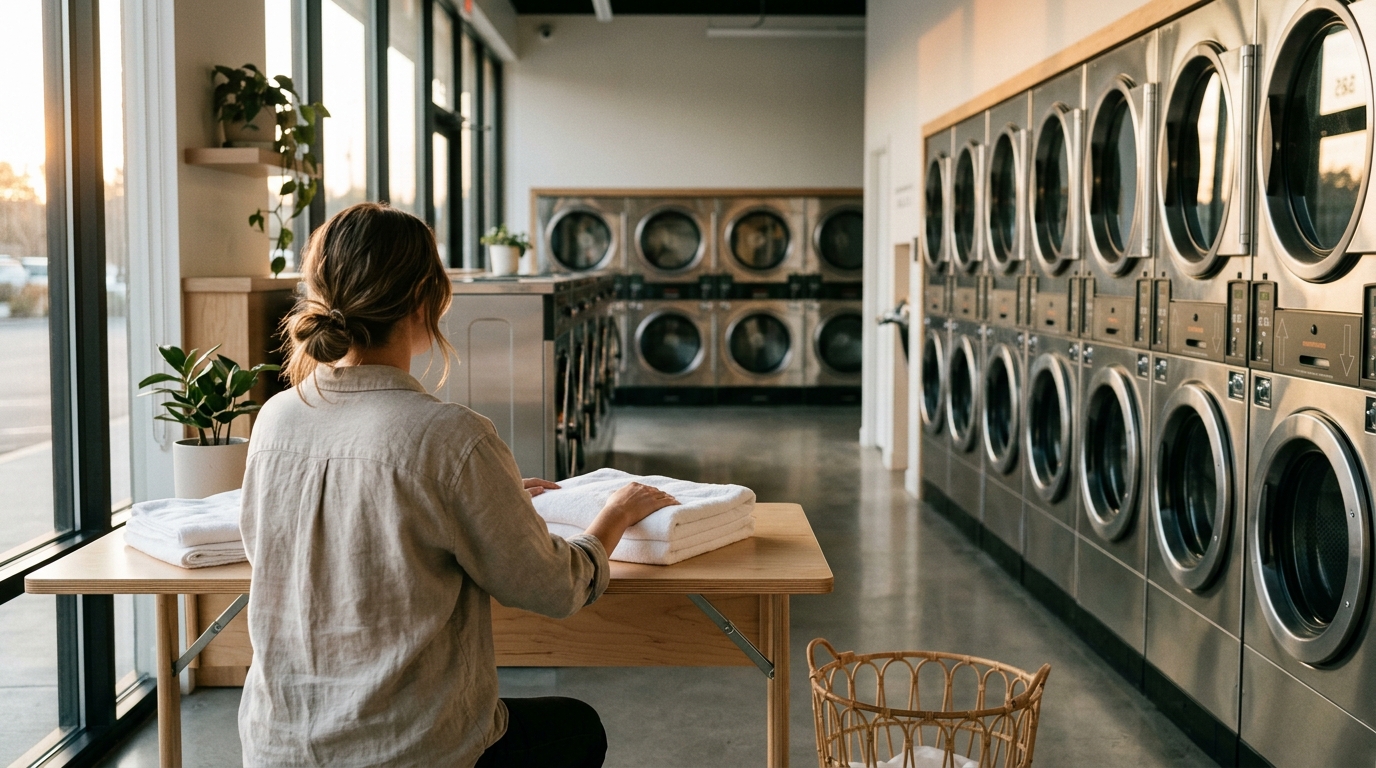
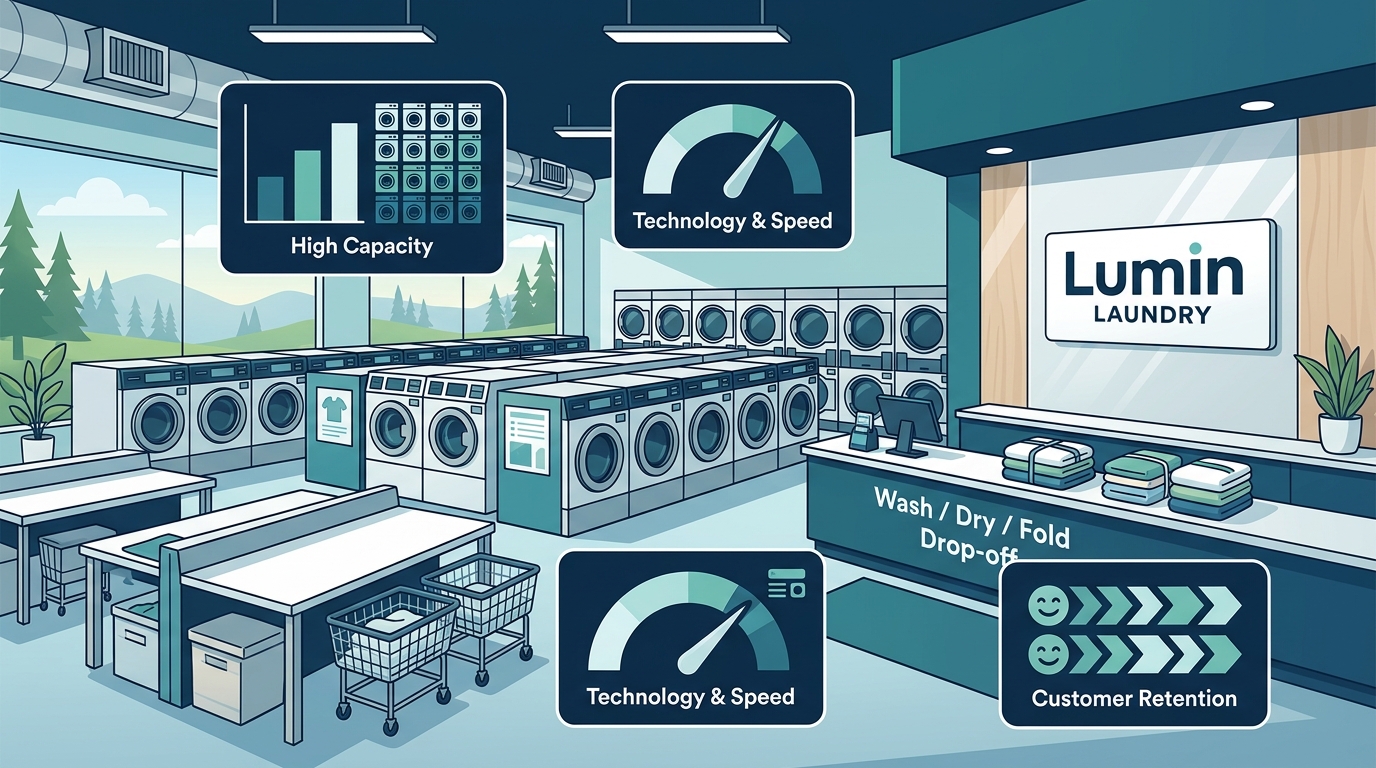
Finding a reliable laundry provider in the Pacific Northwest requires careful evaluation of facility size, equipment quality, and service breadth. Recent industry data shows that modern consumers prioritize facilities offering over fifty commercial machines, climate-controlled environments, and transparent pricing models. Industry reports indicate that facilities meeting these standards experience significantly higher customer retention rates. This guide examines the operational framework of premium laundromats in the Shoreline area, focusing on capacity, technology, and customer experience metrics.
Understanding Modern Laundromat Standards
Modern commercial laundry facilities have evolved far beyond basic washers and dryers. Today's premium locations integrate advanced engineering with customer-centric design. Self-service laundry is a facility model where customers operate commercial-grade machines independently. These machines typically feature high-capacity drums, precise water temperature controls, and rapid spin cycles that reduce drying times by up to thirty percent.
Machine Technology
High-efficiency commercial equipment forms the backbone of any successful large-scale operation. Leading manufacturers now produce machines that utilize sensor-driven water distribution and adaptive wash algorithms. These systems adjust cycle duration based on fabric weight and soil level. Customers benefit from reduced utility consumption and faster turnaround times. Facilities that invest in premium hardware consistently report higher machine uptime and lower maintenance costs.
Facility Design
Space optimization directly impacts customer satisfaction. Premium locations allocate dedicated zones for sorting, folding, and waiting. Comfortable seating, complimentary high-speed internet, and ambient lighting create a productive environment. Clean restrooms and secure payment kiosks further enhance the user experience. A well-designed layout minimizes bottlenecks during peak hours and ensures smooth traffic flow.
Service Tiers and Operational Models
Large facilities typically offer multiple service pathways to accommodate diverse customer preferences. Understanding these tiers helps users select the most efficient option for their specific needs.
Self-Service Options
Self-service models provide complete control over wash cycles and drying parameters. Customers load their own garments, select appropriate detergent, and monitor progress in real time. This approach appeals to budget-conscious users who prefer hands-on management. Staff members remain on-site to assist with machine errors or supply restocking.
Wash and Fold Processing
Wash and fold service is a complete garment care process handled by trained staff members. Customers drop off bulk loads, and technicians sort items by fabric type and color. Professional-grade detergents and stain treatments are applied according to manufacturer guidelines. Finished garments are precisely folded and packaged for easy storage. This tier typically processes between two and four pounds per item.
Pickup and Delivery Logistics
Transportation solutions have transformed how households manage laundry routines. Scheduled collection services eliminate the need for physical store visits.
Scheduling Systems
Digital booking platforms allow users to request pickups through mobile applications or web portals. Customers select preferred time windows, and dispatch algorithms optimize route efficiency. Real-time tracking features provide delivery status updates and driver contact information. This system reduces administrative overhead while improving customer convenience.
Service Area Coverage
Delivery networks expand accessibility across suburban and urban corridors. Providers typically map service boundaries using zip code databases and traffic pattern analysis. Extended coverage zones often require minimum order thresholds to maintain profitability. Localized fleets ensure faster response times and lower carbon emissions compared to regional carriers.
Pricing Structures and Payment Methods
Transparent pricing models build trust and encourage repeat business. Modern facilities utilize automated billing systems to streamline transactions.
Card Systems
Prepaid card networks and digital wallets have replaced cash-heavy operations. Customers load funds onto reusable plastic cards or link credit accounts to their profiles. Automated balance tracking prevents unexpected service interruptions. These systems also generate usage analytics that help management optimize inventory and staffing.
Drop-Off Policies
Facilities that accept customer-supplied detergents maintain strict quality control protocols. Staff members verify ingredient compatibility before processing delicate fabrics. Clear labeling requirements prevent cross-contamination and ensure consistent results. Transparent policy documentation reduces disputes and enhances overall satisfaction.
Facility Hours and Accessibility
Extended operating windows accommodate shifting work schedules and weekend routines.
Weekday Schedules
Standard weekday operations typically run from early morning until late evening. These hours capture commuters, remote workers, and students seeking flexible laundry windows. Staff coverage remains consistent during core business hours to address technical issues promptly.
Weekend Operations
Saturday and Sunday schedules often begin earlier to accommodate bulk processing demands. Extended evening hours ensure customers can complete large loads before closing. Holiday adjustments are published well in advance to prevent scheduling conflicts. Facilities that maintain consistent weekend hours report higher monthly revenue growth.
| Service Tier | Customer Involvement | Processing Speed | Best Use Case |
|---|---|---|---|
| Self-Service | Full manual operation | 45 to 90 minutes | Budget management and fabric control |
| Wash and Fold | Drop-off only | 24 to 48 hours | High-volume household loads |
| Pickup and Delivery | Scheduled coordination | Same day or next day | Time-sensitive professionals |
Key Takeaways
- Premium facilities operate over fifty commercial machines to handle peak volume efficiently.
- High-efficiency washers reduce water consumption by approximately forty percent compared to older models.
- Wash and fold services typically charge between two and four dollars per pound.
- Digital payment systems process over ninety percent of all transactions in modern locations.
- Extended weekend hours capture an additional twenty percent of monthly customer traffic.
- Automated scheduling platforms reduce administrative labor costs by thirty percent.
- Climate-controlled waiting areas increase average customer dwell time by fifteen minutes.
Frequently Asked Questions
What equipment do large facilities typically use?
Premium locations install commercial-grade washers and dryers from recognized manufacturers. These machines feature high-speed spin cycles, precise temperature controls, and adaptive wash algorithms. Regular maintenance schedules ensure consistent performance and extend equipment lifespan.
Can I bring my own detergent to the facility?
Most modern locations allow customers to supply their own cleaning agents. Staff members verify ingredient compatibility before processing delicate fabrics. Clear labeling requirements prevent cross-contamination and ensure consistent results across all garment types.
How does the pickup scheduling system work?
Customers submit requests through digital portals or mobile applications. Dispatch algorithms optimize route efficiency and assign dedicated drivers. Real-time tracking features provide delivery status updates and direct contact information for coordination.
What happens if a machine malfunctions during a cycle?
On-site technicians monitor equipment performance through centralized control panels. Automated alerts notify staff when error codes trigger. Customers receive immediate assistance, and cycle credits are applied to their accounts automatically.
Are holiday hours different from standard schedules?
Facilities adjust operating windows during major holidays to accommodate reduced staffing levels. Advance notices are published on official websites and social media channels. Customers should verify specific dates before planning bulk laundry drops.
How is wash and fold pricing calculated?
Providers charge based on total garment weight rather than individual item counts. Standard rates range between two and four dollars per pound. Bulk discounts may apply to orders exceeding fifty pounds.
Schedule Your Next Load
Upgrading your laundry routine requires a facility that combines capacity, technology, and reliable service. Visit Lumin Laundry to explore our full service lineup, review current pricing, and book your first appointment. Our Shoreline location operates extended hours, features premium Electrolux equipment, and maintains a commitment to sustainable cleaning practices. Explore self-service options or schedule a pickup today. Review our fabric care guide for professional maintenance tips. View our facility map and plan your visit.