
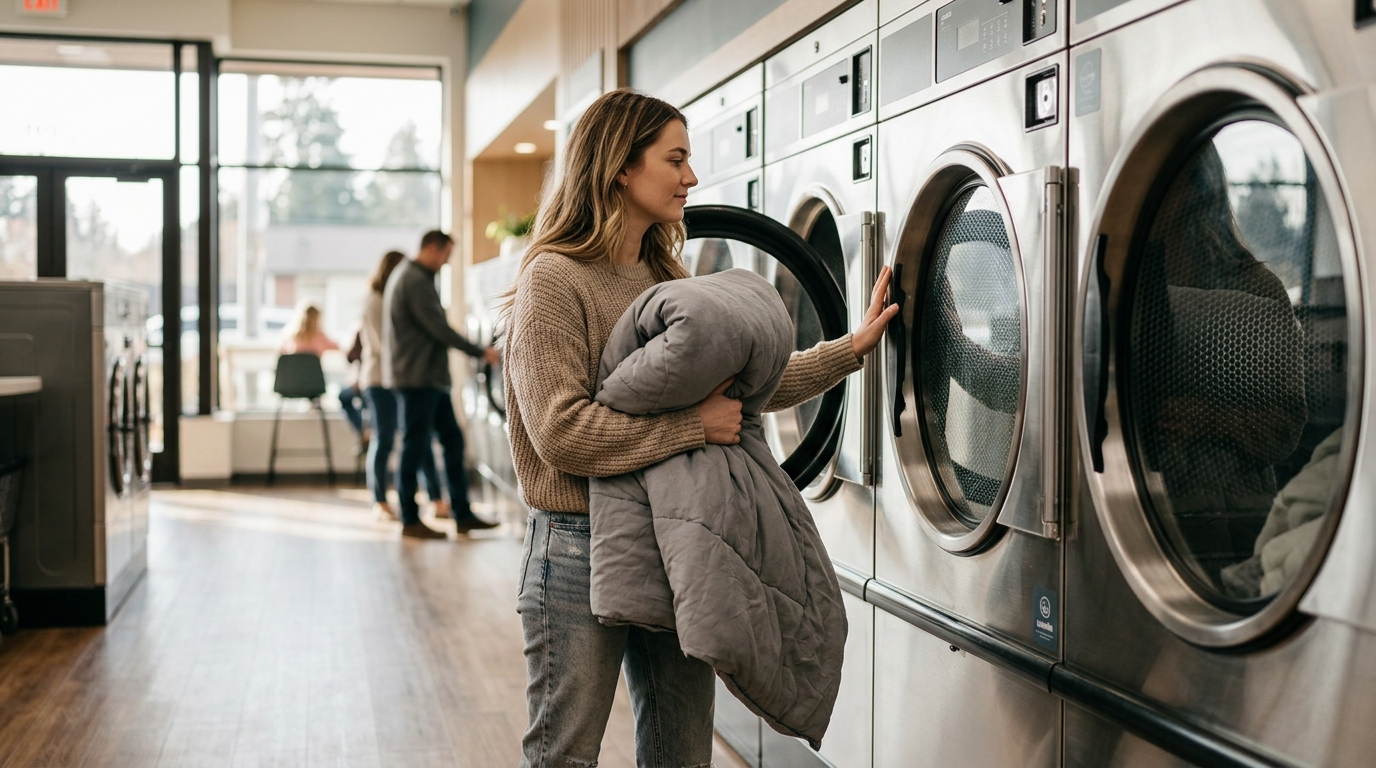
Choosing the Right Laundromat Machine for Heavy Blankets and Sleeping Bags
Washing bulky items like comforters, duvets, and sleeping bags at home often leads to machine damage or incomplete cleaning. According to recent industry data, over 60% of residential laundry mishaps involve oversized textiles that exceed standard washer capacities. At Lumin Laundry, we have engineered our facility specifically to handle these heavy-duty loads without compromising fabric integrity. This guide explains exactly how to select the correct machine size and settings to ensure your bedding comes out fresh, sanitary, and undamaged. (Self Service Laundry Lumin)
Understanding Machine Capacity and Load Weight
The most critical factor in washing heavy blankets is understanding dry weight capacity. Most residential washers list a capacity in cubic feet, but this number is misleading for dense items. A 4.5 cubic foot washer might claim to hold 16 pounds of clothes, but that same machine will struggle with just 8 pounds of a wet, heavy comforter. Always prioritize the poundage rating over the cubic footage when selecting a machine for bulky items.
At Lumin Laundry, we utilize high-capacity Electrolux commercial washers that range from 18 pounds to 80 pounds in dry weight capacity. This range allows us to accommodate everything from a single twin-sized blanket to massive king-size duvets. Using a machine that is too small for the load will result in poor cleaning because the water and detergent cannot circulate properly. Conversely, using a machine that is too large can cause the load to become unbalanced during the spin cycle, triggering safety shutoffs.
Selecting the Correct Machine Size
Choosing the right machine size is not just about fitting the item in; it is about allowing enough room for agitation. The general rule of thumb is that the load should fill no more than half of the drum when dry. This extra space is essential for the mechanical action that removes dirt and allergens.
Small to Medium Loads (18lb to 45lb Machines)
For standard twin or full-sized comforters, throw blankets, or lightweight sleeping bags, the 18-pound to 45-pound machines are ideal. These machines provide sufficient agitation for moderate bulk without risking imbalance. If you are washing multiple smaller items, such as a set of sheets and a light blanket, you can often combine them in a 30-pound machine to save time and money.
Large to Extra-Large Loads (60lb to 80lb Machines)
King-size duvets, heavy winter comforters, and large sleeping bags require the 60-pound or 80-pound commercial washers. These machines feature powerful motors and high-speed extraction capabilities that are necessary to penetrate dense fabrics. The 80-pound washer is particularly effective for sanitizing large bedding items because it can hold enough water to ensure thorough rinsing while maintaining the mechanical force needed to clean deeply.
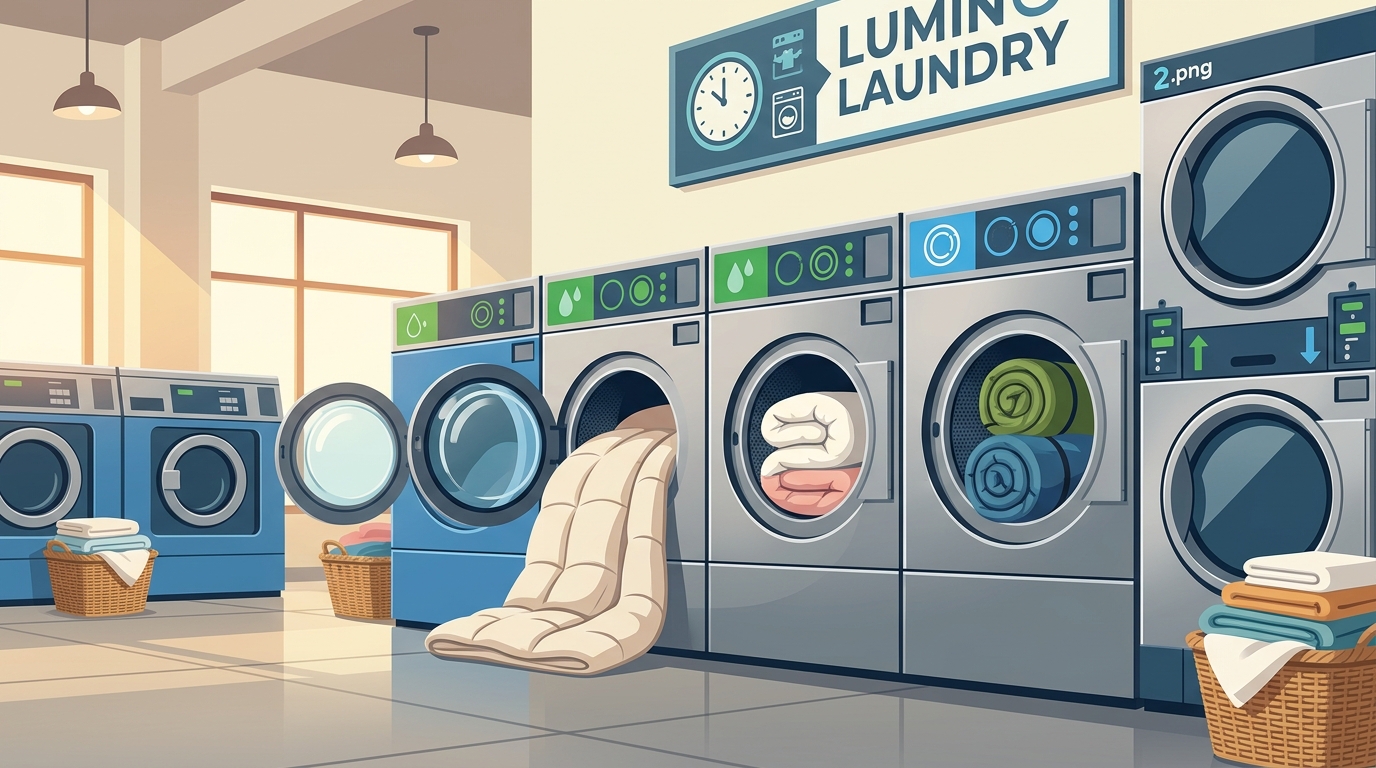
Optimal Washer Settings for Heavy Textiles
Once you have selected the correct machine, the settings you choose will determine the outcome. Heavy blankets and sleeping bags are durable, but they are also prone to retaining moisture and developing mildew if not processed correctly.
Water Temperature and Cycle Type
Use hot water for white cotton bedding and sanitizing towels, but opt for warm water for synthetic sleeping bags and colored comforters to prevent shrinking or fading. The heavy-duty or bulky item cycle is the standard choice for these loads. This cycle extends the wash time and increases the agitation intensity to ensure that detergent penetrates the thick layers of fabric.
Rinse and Spin Considerations
Double rinsing is highly recommended for bulky items. The extra rinse cycle ensures that all detergent residue is removed, which is crucial for preventing skin irritation and maintaining the loft of down or synthetic fills. After the wash cycle, a high-speed spin is essential. Our commercial machines can extract water at high G-forces, significantly reducing the drying time required in the subsequent dryer stage.
Drying Techniques for Bulk Items
Drying heavy blankets is often more challenging than washing them. Improper drying can lead to mold growth, musty odors, and clumped insulation. The key to successful drying is low heat and patience.
Using the Correct Dryer Size
Just as with washing, you must match the dryer size to the load. A king-size duvet will not dry effectively in a small dryer because it cannot tumble freely. Use the 60-pound or 80-pound dryers for large items. These dryers provide the necessary airflow to circulate heat evenly through the dense fabric.
Low Heat and Tennis Balls
Set the dryer to a low or medium heat setting. High heat can damage synthetic fibers in sleeping bags and cause down clusters to clump together. To help fluff the bedding and prevent clumping, add two or three clean tennis balls or dryer balls to the load. These balls bounce around the drum, breaking up clumps and ensuring that the heat reaches all parts of the blanket evenly.
Avoiding Overloading
Never overload the dryer. The load should be able to tumble freely. If the blanket is bunched up in a corner, it will not dry properly and may develop mildew spots. It is better to dry a large duvet in two separate loads than to force it into one dryer where it cannot move.
Commercial vs. Residential Machine Differences
Understanding the difference between commercial and residential machines helps explain why professional laundry services often yield better results for bulky items.
| Feature | Residential Washer | Commercial Washer (Lumin Laundry) |
|---|---|---|
| Capacity | 3.5 - 5.0 cubic feet | 18 - 80 pounds dry weight |
| Agitation Power | Moderate | High-velocity extraction |
| Water Volume | Optimized for efficiency | Optimized for penetration |
| Durability | Designed for light loads | Built for heavy, frequent use |
| Sanitization | Limited | High-temperature options available |
Commercial machines like those at Lumin Laundry are built with robust motors and larger drums that can handle the weight of wet heavy blankets without straining the suspension system. This results in a cleaner wash and a more effective spin, which directly translates to faster drying times and less wear on your fabrics.
Key Takeaways
- Capacity Matters: Always choose a machine with a dry weight capacity of at least 45 pounds for king-size duvets or heavy comforters.
- Space for Agitation: The load should fill no more than half the drum to allow water and detergent to circulate effectively.
- High-Speed Spin: Utilize the high-extraction capabilities of commercial washers to reduce drying time and prevent mildew.
- Low Heat Drying: Use low heat in large dryers and add dryer balls to prevent clumping and maintain fabric loft.
- Professional Equipment: Commercial machines offer superior power and capacity compared to residential units, ensuring a deeper clean for bulky items.
- Sanitization: Hot water cycles in commercial washers can effectively sanitize bedding, removing allergens and bacteria.
- Avoid Overloading: Overloading any machine, whether washer or dryer, leads to poor cleaning results and potential machine damage.
Frequently Asked Questions
Can I wash a king-size duvet in a 45-pound machine?
It is generally not recommended. A king-size duvet is too large for a 45-pound machine to clean effectively. It will likely overflow or become unbalanced. Use a 60-pound or 80-pound machine instead to ensure proper agitation and rinsing.
How do I prevent my sleeping bag from clumping after washing?
Clumping usually occurs due to improper drying. Use a large dryer on a low heat setting and add clean tennis balls or dryer balls to the load. These balls help break up the insulation clusters as they tumble, restoring the bag's loft and warmth.
Is it safe to wash down comforters in a laundromat?
Yes, it is safe and often preferable to home washing. Commercial washers provide the gentle yet thorough agitation needed for down fills. Ensure you use a mild detergent and a low-heat dry cycle to protect the natural oils in the down feathers.
What is the best cycle for washing heavy blankets?
The heavy-duty or bulky item cycle is best. This cycle uses longer wash times and more vigorous agitation to penetrate dense fabrics. It also typically includes an extra rinse to remove all detergent residue.
Do you offer pickup and delivery for heavy bedding?
Yes, Lumin Laundry offers pickup and delivery services for all laundry items, including heavy blankets and sleeping bags. This service is available in Shoreline, Edmonds, and surrounding areas. Visit our Pick Up & Delivery page for more details.
How often should I wash my comforter?
It is recommended to wash comforters every three to six months, or more frequently if you have allergies or pets. Regular washing removes dust mites, skin cells, and allergens, ensuring a healthier sleeping environment.
Schedule Your Pickup or Visit Us
Stop struggling with bulky items at home. Let Lumin Laundry handle your heavy blankets and sleeping bags with our state-of-the-art commercial equipment. Our team is ready to provide a superior clean that protects your fabrics and saves you time. Visit our location in Shoreline, WA, or schedule a pickup today to experience the difference of professional laundry care.