
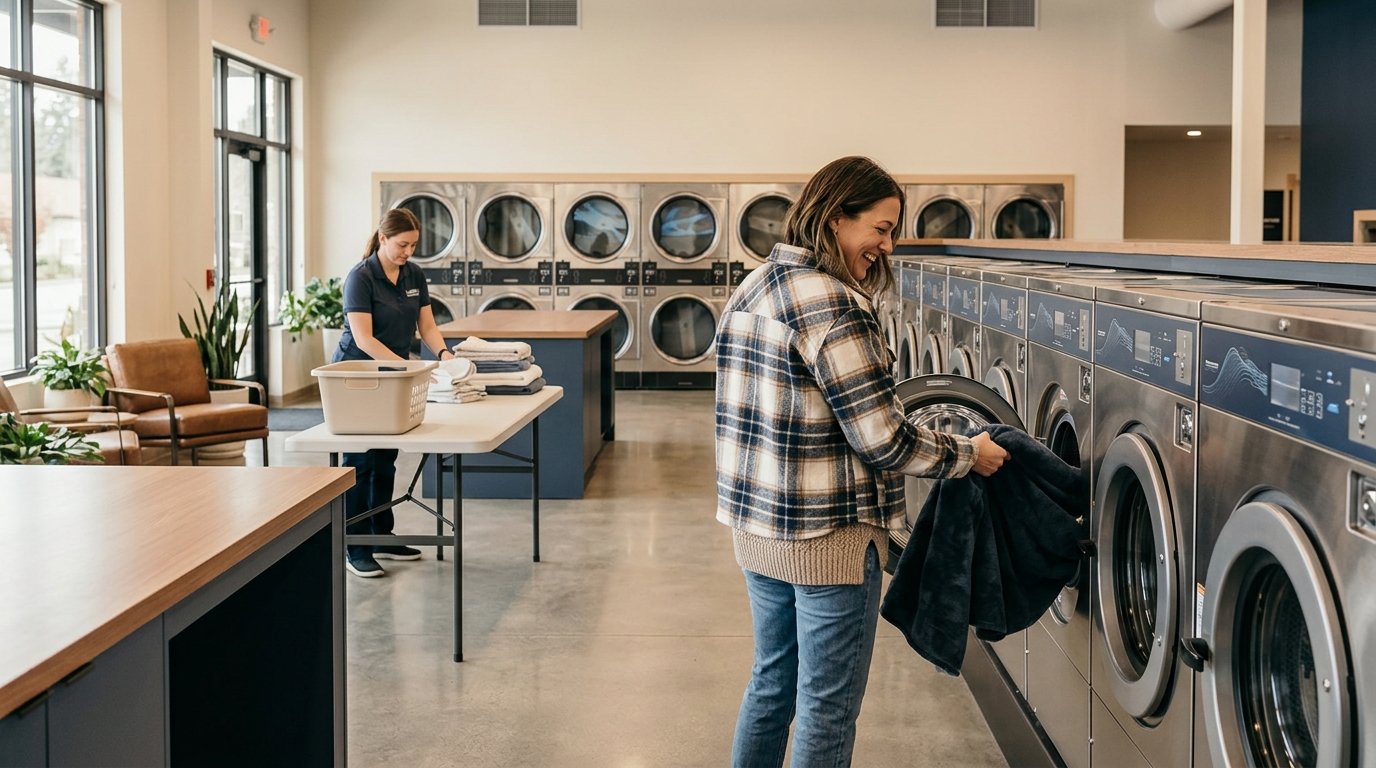
Finding a reliable laundry provider in the Pacific Northwest requires understanding how modern facilities operate. A full-service laundry operation is a commercial establishment that provides multiple cleaning tiers, automated equipment, and staff-assisted processing under one roof. These locations prioritize efficiency, environmental compliance, and customer convenience. Residents in the Shoreline area increasingly prefer facilities that combine self-service flexibility with professional drop-off options. This guide examines the operational standards, service models, and facility features that define a premium laundry experience.
What Defines a Modern Full-Service Facility
Modern commercial laundry spaces have evolved beyond basic washers and dryers. These facilities invest in commercial-grade infrastructure to handle high volume without compromising garment integrity. The layout typically separates self-service zones from staffed processing areas to maintain workflow efficiency. Customers benefit from climate-controlled environments, secure payment systems, and transparent pricing structures.
Facility design directly impacts the customer experience. High ceilings, industrial ventilation, and ergonomic machine placement reduce physical strain during long wash cycles. Many locations now integrate digital account management, allowing users to track orders and manage payments through secure portals. This operational shift reduces wait times and minimizes cash handling errors. The result is a streamlined environment that respects both customer time and garment care standards.
Staff training programs ensure that every team member understands fabric chemistry and machine mechanics. Technicians monitor water hardness levels and adjust detergent ratios accordingly. This attention to detail prevents residue buildup and extends the lifespan of expensive textiles. Customers who visit our Shoreline location consistently report higher satisfaction rates due to these operational standards.
Self-Service Operations and Machine Technology
Self-service laundry remains the foundation of most commercial facilities. A self-service laundry model is a customer-operated system where patrons load, program, and monitor their own wash cycles. Modern machines utilize high-efficiency motors, precise water temperature controls, and rapid spin cycles to reduce drying times. These units typically accept mobile payments, credit cards, and proprietary facility cards. The equipment requires minimal maintenance when operated correctly, which extends machine lifespan and reduces downtime.
Customers who prefer hands-on control often visit self-service laundry locations to manage fabric-specific cycles. High-speed extraction removes excess moisture before the drying phase, which conserves electricity and protects delicate fibers. Many facilities provide complimentary Wi-Fi, comfortable seating, and dedicated folding tables to improve the overall experience. This model appeals to budget-conscious households and individuals who value transparency in the cleaning process.
Maintenance schedules ensure that machines remain calibrated to manufacturer specifications. Technicians perform routine belt inspections, pump clearances, and sensor checks to prevent unexpected breakdowns. This proactive approach guarantees consistent water pressure and temperature stability across all units. Patrons can rely on predictable cycle times without experiencing mid-wash interruptions or drainage errors.
Professional Wash and Fold Solutions
Staff-assisted cleaning services have gained significant traction among working professionals and busy families. A wash and fold service is a commercial cleaning tier where trained technicians handle sorting, washing, drying, and precision folding. These teams follow strict garment care protocols to prevent color bleeding, shrinkage, and fabric damage. Customers simply drop off bags, and staff members process each item according to labeled care instructions.
Professional facilities utilize wash and fold workflows that separate heavy textiles from delicate synthetics. Technicians inspect pockets, treat stains, and adjust detergent ratios based on fabric composition. The process typically includes same-day turnaround options for urgent requests. This service model eliminates the guesswork associated with home washing machines and ensures consistent results across all garment types.
Quality control checkpoints occur at multiple stages of the processing pipeline. Staff members verify fold consistency, check for residual moisture, and inspect hems before packaging. This rigorous inspection process prevents customer complaints and maintains brand reputation. Families who outsource routine cleaning tasks consistently report higher daily productivity and reduced household stress.
Scheduled Pickup and Delivery Logistics
Transportation logistics represent the final evolution in commercial laundry services. A scheduled pickup and delivery system is a logistics framework where trained drivers collect laundry from residential or commercial addresses and return cleaned items within a specified timeframe. These services require route optimization software, insulated transport bags, and digital order tracking to maintain service reliability.
Customers who utilize pickup and delivery options benefit from reduced transportation costs and flexible scheduling windows. Drivers follow strict hygiene protocols during loading and unloading to prevent cross-contamination. The service area typically covers surrounding neighborhoods, allowing residents to outsource routine cleaning tasks entirely. This model has become essential for dual-income households and small business owners who prioritize time management over manual chores.
Route planning algorithms calculate the most efficient paths to minimize fuel consumption and delivery windows. Drivers receive digital manifests that list pickup addresses, bag counts, and special handling instructions. This digital integration reduces misdeliveries and ensures that customers receive exactly what they ordered. The system tracks each bag through scanning checkpoints, providing complete transparency throughout the transport phase.
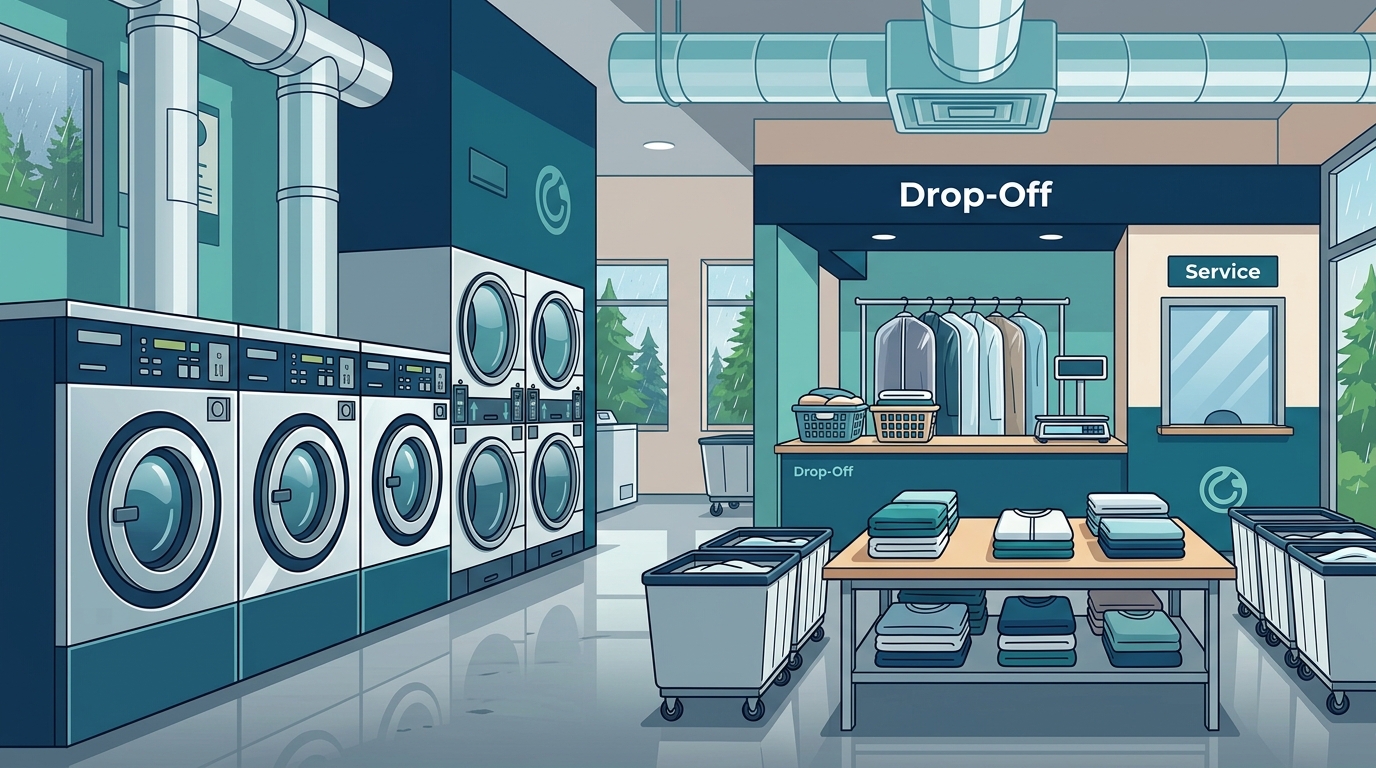
Facility Hours and Accessibility Standards
Operating hours directly impact service accessibility for working professionals and students. Most modern facilities extend weekday hours to accommodate evening schedules, while weekend operations begin earlier to capture morning traffic. Extended availability reduces congestion during peak hours and ensures consistent machine turnover. Many locations implement last-wash cutoff times to guarantee that all cycles complete before closing.
Accessibility features include ADA-compliant entrances, wide machine aisles, and clearly marked payment stations. Facilities that prioritize extended hours often integrate digital account management to allow remote order placement. This operational flexibility ensures that customers can access services without disrupting their daily routines. The combination of extended hours and staffed support creates a reliable backup system for unexpected laundry needs.
Security measures protect both customer belongings and facility assets after dark. Motion-sensor lighting, surveillance cameras, and secure card readers deter unauthorized access. Staff members conduct daily safety walkthroughs to verify that all emergency exits remain unobstructed. These protocols ensure that patrons can utilize late-night hours with complete peace of mind.
Service Comparison Overview
| Service Tier | Customer Involvement | Turnaround Time | Best Use Case |
|---|---|---|---|
| Self-Service | Full manual operation | 1 to 2 hours | Budget-conscious households |
| Wash and Fold | Drop-off only | Same day | Working professionals |
| Pickup and Delivery | Scheduled transport | 24 to 48 hours | Busy families and small businesses |
Key Takeaways
- Modern facilities integrate high-efficiency Electrolux machines to reduce water consumption and energy usage.
- Self-service zones provide complete control over wash cycles and drying parameters.
- Staff-assisted wash and fold services follow strict garment care protocols to prevent damage.
- Scheduled transport logistics utilize route optimization to minimize delivery windows.
- Extended operating hours accommodate working professionals and weekend traffic patterns.
- Digital account management enables secure payment storage and order tracking.
- Facility layouts separate customer zones from staffed processing areas for workflow efficiency.
Frequently Asked Questions
What equipment do modern facilities use?
Commercial locations typically install high-efficiency Electrolux machines that feature precise temperature controls, rapid spin cycles, and energy-saving motors. These units reduce water consumption while maintaining cleaning performance across all fabric types.
Can I bring my own detergent?
Yes, most facilities allow customers to provide their own cleaning solutions for both self-service and drop-off services. Staff members will accommodate specific brand requests when processing wash and fold orders.
How do payment systems work?
Facilities accept proprietary laundry cards, credit cards, and mobile payments. Online accounts store payment information securely, allowing customers to schedule services without repeated manual entry.
What are the standard operating hours?
Most locations operate Monday through Friday from 8:00 a.m. to 9:00 p.m. Weekend hours typically begin at 7:00 a.m. and close at 9:00 p.m. Last wash cycles must start before the designated cutoff time.
Do facilities offer dry cleaning?
Most commercial laundromats focus on water-based cleaning methods and do not provide traditional dry cleaning services. Customers requiring solvent-based cleaning should seek specialized textile care providers.
How are stains handled during wash and fold?
Technicians inspect each garment before processing and apply targeted stain treatments based on fabric composition and soil type. This protocol prevents permanent damage while maximizing cleaning effectiveness.
Is the facility accessible for customers with mobility challenges?
Modern locations design layouts with wide machine aisles, ADA-compliant entrances, and ergonomic payment stations. These features ensure comfortable navigation for all patrons.
Ready to Upgrade Your Laundry Routine?
Visiting a large, full-service laundromat near Shoreline WA eliminates the guesswork from routine cleaning tasks. You can schedule your first visit by exploring our complete service offerings and selecting the model that matches your lifestyle. Our team maintains strict quality standards, extended operating hours, and transparent pricing to ensure consistent results. Book your appointment today and experience a cleaner, more efficient approach to garment care.