
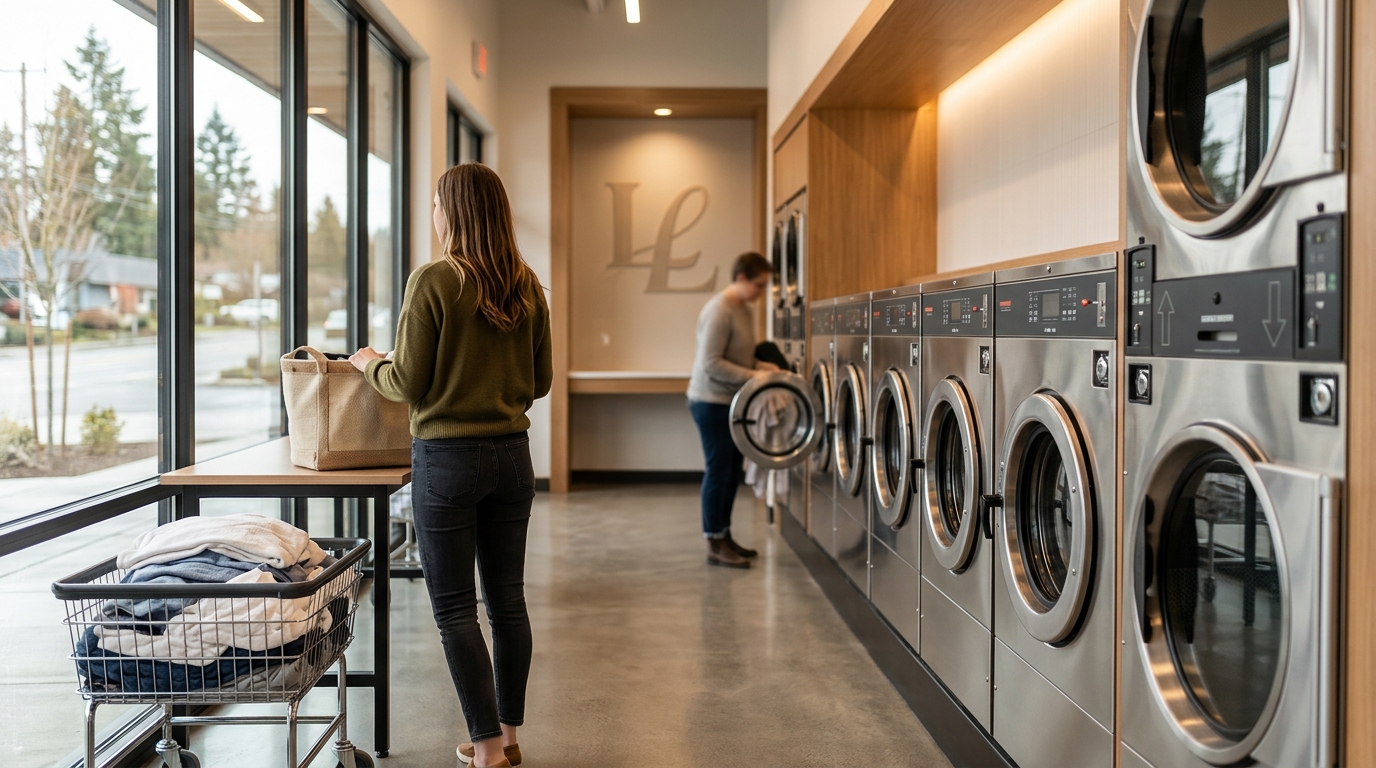
Urban residents increasingly prioritize convenience and sustainability when managing household chores. Recent municipal data indicates that approximately sixty percent of Seattle households now utilize commercial laundry facilities rather than in-unit appliances. This shift drives demand for clean, accessible spaces that combine reliable equipment with transparent pricing. Finding a modern laundromat near Seattle requires evaluating machine efficiency, payment security, and neighborhood accessibility. You can locate premium self-service options by focusing on facilities that invest in commercial-grade hardware and maintain extended operating hours. This guide examines the specific operational standards that define top-tier neighborhood laundry solutions. (The Ultimate Guide to)
The Shift Toward High-Tech Self-Service Facilities
Modern self-service environments have evolved far beyond basic coin-operated machines. Self-service laundry is a commercial model where customers operate high-capacity washers and dryers independently while utilizing shared facility amenities. These spaces now feature digital payment systems, real-time machine tracking, and climate-controlled lounges. Urban consumers expect reliable Wi-Fi, comfortable seating, and clear instructional signage. Facilities that prioritize user experience consistently report higher retention rates and stronger community engagement. You should verify that your chosen location offers transparent operating schedules and maintains a secure environment for all visitors.
Why Location and Accessibility Matter for Urban Laundry
Geographic placement directly impacts the practicality of routine laundry management. Neighborhood laundry solutions are strategically positioned to serve dense residential zones while maintaining convenient transit access. Proximity to major roadways and public transit routes reduces commute time for busy professionals and families. Extended operating hours, including early morning and late evening windows, accommodate shifting work schedules. You can verify facility accessibility by reviewing their posted schedules and confirming parking availability. A well-located center reduces friction and encourages consistent usage patterns across diverse demographics.
Evaluating Machine Quality and Environmental Impact
Equipment selection dictates both cleaning performance and long-term operational costs. Commercial-grade washers are heavy-duty appliances engineered for continuous cycles, rapid drainage, and precise temperature control. Leading facilities partner with established manufacturers to install energy-efficient units that reduce water consumption and electricity usage. These machines often feature automated detergent dispensing and moisture-sensing dryers that prevent fabric damage. You should prioritize centers that publicly disclose their equipment specifications and maintenance protocols. Investing in modern hardware ensures consistent results while supporting regional sustainability initiatives.
Service Models: Self-Service Versus Full-Service Options
Customers frequently weigh independent washing against professional handling. Wash and fold services are professional programs where staff members sort, clean, dry, and fold garments according to specific care instructions. This model eliminates time consumption and guarantees consistent folding standards. Many modern centers now offer integrated pickup and delivery networks that expand service boundaries beyond walking distance. You can evaluate your preference by comparing time savings against cost differences. Selecting the appropriate model depends on your schedule, garment volume, and fabric sensitivity requirements.
Pricing Structures and Payment Security Standards
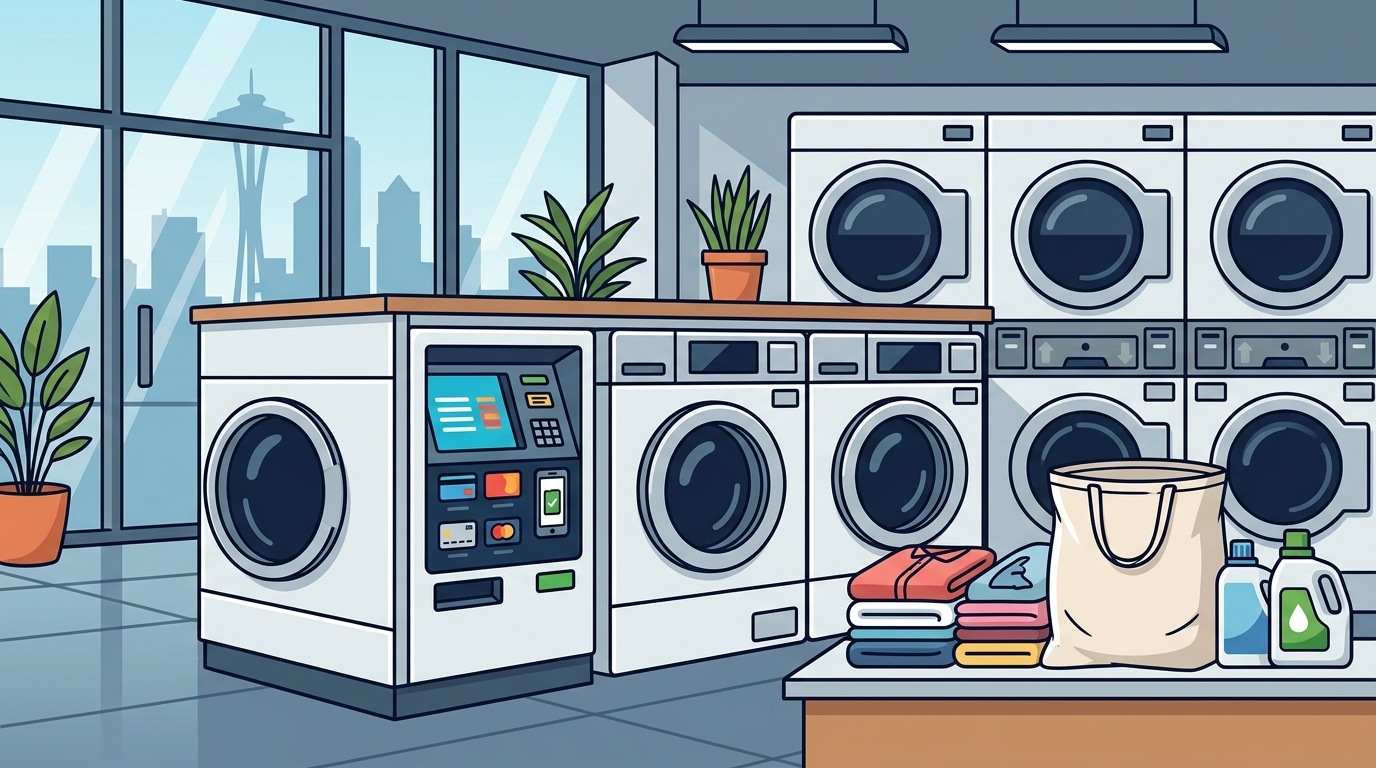
Transparent pricing eliminates unexpected charges and builds consumer trust. Modern facilities typically display per-pound or per-cycle rates on digital dashboards and posted signage. Secure payment gateways now process credit card transactions through encrypted merchant accounts that comply with industry data protection standards. Customers can securely store payment credentials for future transactions without exposing sensitive information to third parties. You should always verify that the facility uses PCI-compliant processing and offers clear refund policies. Transparent billing practices directly correlate with higher customer satisfaction and repeat business.
| Service Category | Core Features | Best Use Case | Typical Cost Range |
|---|---|---|---|
| Self-Service Laundry | Independent machine operation, digital payments, lounge access | Budget-conscious users, quick turnaround | $3 to $6 per cycle |
| Wash and Fold | Staff sorting, professional drying, precise folding | Time-sensitive professionals, delicate fabrics | $1.50 to $2.25 per pound |
| Pick Up and Delivery | Scheduled routing, contactless drop-off, digital tracking | Busy households, multi-unit buildings | $2.00 to $3.00 per pound |
Key Takeaways
- Modern facilities prioritize energy-efficient Electrolux equipment to reduce water usage by approximately thirty percent.
- Extended operating hours typically span from early morning to late evening to accommodate shifting work schedules.
- Digital payment systems utilize encrypted merchant accounts that comply with industry data protection standards.
- Professional wash and fold programs guarantee consistent folding standards and fabric-safe drying cycles.
- Transparent per-pound pricing eliminates hidden fees and supports predictable monthly household budgeting.
- Strategic neighborhood placement ensures convenient transit access and reliable parking availability.
Frequently Asked Questions
What equipment do modern self-service facilities typically use?
Premium centers install commercial-grade washers and dryers that feature automated detergent dispensing and moisture-sensing technology. These machines operate at higher spin speeds to reduce drying time and prevent fabric wear.
How do I securely pay for laundry services?
Most facilities now accept credit cards through encrypted payment gateways. You can securely store your credentials in your account profile for faster checkout during future visits.
Can I bring my own detergent to a self-service location?
Yes, customers are welcome to use their preferred cleaning products. Many facilities provide dispensing stations for eco-friendly options to support sustainable household practices.
What are the standard operating hours for neighborhood laundry centers?
Most modern locations operate between eight in the morning and nine in the evening on weekdays. Weekend hours often begin earlier to accommodate higher weekend traffic volumes.
Do these facilities handle delicate or specialty garments?
Professional wash and fold programs follow specific care labels and adjust water temperature accordingly. You should always disclose sensitive fabrics to staff members to prevent accidental damage.
How do pickup and delivery services track my laundry?
Digital routing systems assign unique order identifiers to each pickup request. You receive real-time status updates and can monitor driver arrival times through your account dashboard.
Are there any additional fees for weekend or holiday service?
Standard pricing applies across all operating days. Some locations adjust hours during major holidays, so you should verify schedules before scheduling large loads.
Book Your Next Laundry Session Today
Locating a reliable, modern facility requires evaluating equipment quality, payment security, and neighborhood accessibility. You can experience premium self-service washing by visiting our Shoreline location. Our team maintains extended hours, installs energy-efficient machinery, and processes transactions through secure digital gateways. Visit https://luminlaundry.com/ to explore our complete service menu and schedule your next visit.