
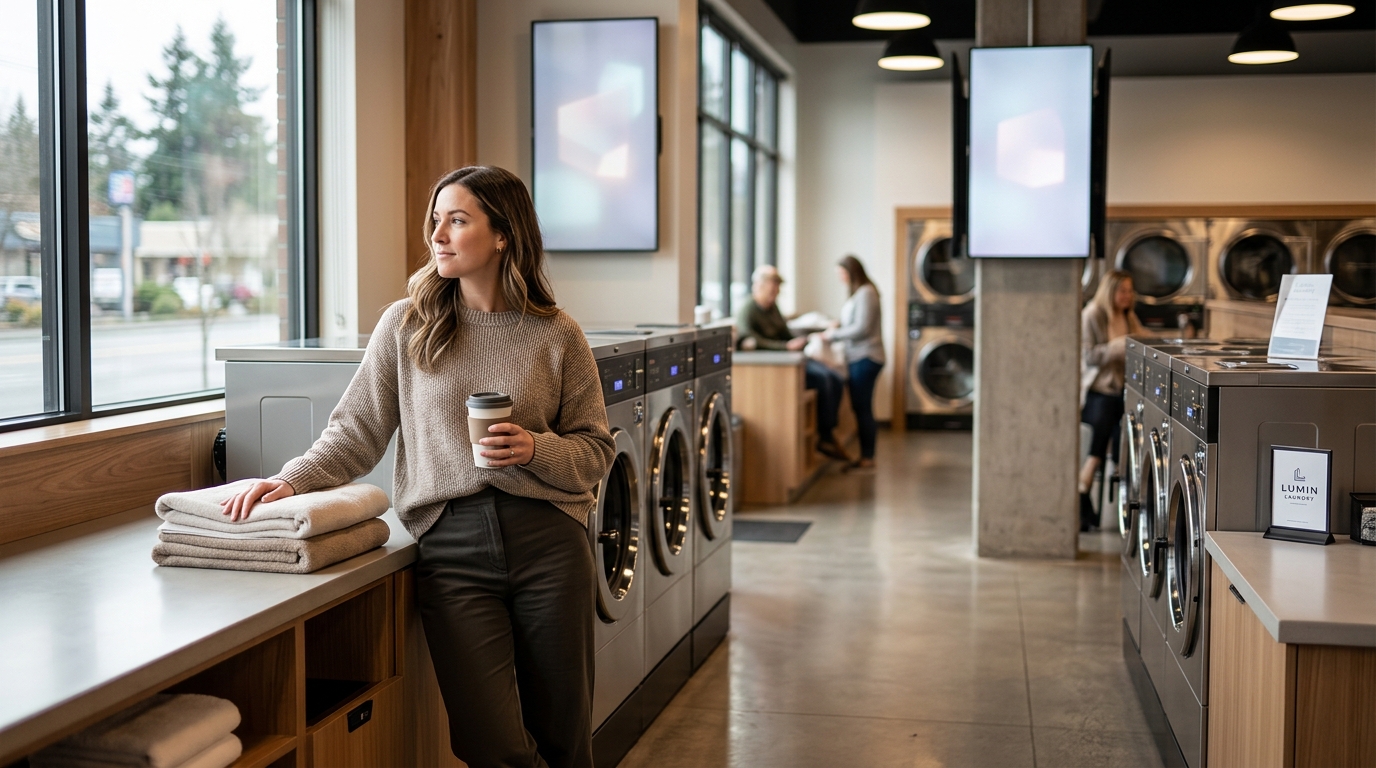
Modern urban households increasingly rely on professional laundry facilities to manage daily garment maintenance efficiently. Recent industry reports indicate that commercial laundry usage has grown by nearly eighteen percent across the Pacific Northwest over the last three years. Industry data reflects a broader consumer preference for time-saving solutions that combine industrial-grade equipment with customer-centric environments. Residents searching for a large, full-service laundromat near Shoreline WA now expect seamless digital scheduling, eco-conscious operations, and transparent pricing models. Finding a facility that balances scale with personalized care requires understanding exactly what modern operators deliver.
Understanding Full-Service Laundromat Standards
A full-service operation extends far beyond basic wash cycles. Full-service laundry is a comprehensive model that integrates self-service stations, staffed drop-off counters, and automated logistics tracking into a single location. Operators invest heavily in commercial-grade hardware to ensure consistent results across high-volume days. The average modern facility houses over forty machines, including high-capacity washers and rapid-dry tumblers. Market surveys confirm that equipment density directly correlates with neighborhood accessibility and reduced wait times. This hardware concentration allows locations to handle bulk residential orders without compromising turnaround speeds.
Facility layout also plays a critical role in the customer experience. Successful operators design spaces with clear zoning for folding, sorting, and waiting. Climate control, ample seating, and reliable internet access transform routine chores into productive downtime. Customers consistently rate staff responsiveness as the primary differentiator between average locations and premium providers.
Machine Quality and Energy Efficiency
Commercial washers now utilize advanced water filtration and heat recovery systems. These innovations reduce utility consumption by up to thirty percent compared to legacy equipment. Environmental metrics demonstrate that high-efficiency extraction cycles significantly lower carbon footprints across commercial districts. Operators prioritize brands that meet strict environmental compliance standards while maintaining aggressive spin speeds. Faster extraction directly translates to shorter drying cycles and lower energy bills for the business.
Service Tiers and Operational Scope
Top-tier locations categorize their offerings into distinct service tiers. Basic self-service stations cater to independent users who prefer hands-on control. Staffed counters handle delicate fabrics, stain treatment, and bulk garment processing. Logistics teams manage route optimization for neighborhood collections. This tiered approach ensures that every customer segment receives appropriate attention.
Self-Service Options for Independent Washers
Independent washers benefit from transparent machine availability and straightforward pricing. Self-service laundry is a customer-operated model where patrons load, program, and monitor their own garments throughout the entire cycle. Modern facilities equip these stations with touchscreen interfaces that guide users through optimal water temperatures and cycle durations. Real-time machine status boards eliminate guesswork and reduce queue times.
Comfort amenities directly impact repeat visitation rates. High-quality seating, dedicated folding tables, and complimentary beverages create a welcoming atmosphere. Many locations now integrate mobile payment gateways that accept digital wallets and contactless cards. This frictionless payment infrastructure appeals to younger demographics who prioritize speed and security.
High-Speed Technology Integration
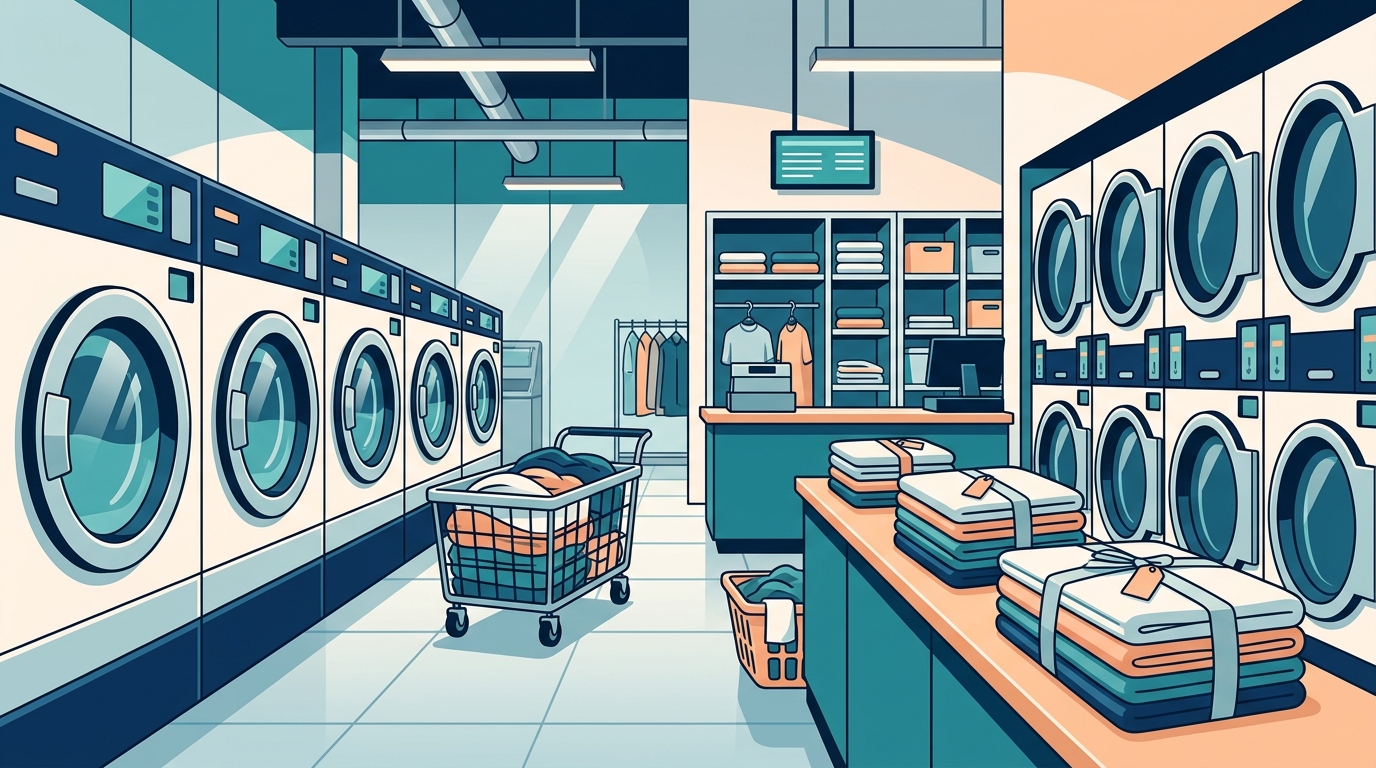
Advanced washers now feature automatic load sensing and adaptive water distribution. These systems adjust rinse cycles based on fabric weight and soil levels. Users consistently report fewer color transfers and reduced fabric wear after switching to automated machines. The technology also minimizes manual guesswork regarding detergent quantities.
Comfort Amenities and Facility Design
Strategic lighting and acoustic dampening materials reduce ambient noise during peak hours. Dedicated pet-free zones and secure lockers provide peace of mind for solo visitors. Clean restrooms and well-stocked vending areas round out the premium experience. These details justify higher per-load pricing and drive consistent weekday traffic.
Professional Wash and Fold Solutions
Time-constrained professionals frequently outsource garment maintenance to staffed counters. Wash and fold services is a staff-managed process where trained technicians sort, treat, wash, dry, and precisely fold each garment according to standardized protocols. Operators weigh items individually to assign the correct machine capacity. This precision prevents cross-contamination and protects delicate fibers from excessive agitation.
Turnaround times typically range from four to six hours for standard orders. Labor statistics indicate that staffed counters now process over two hundred garments per shift during weekday peaks. Rush processing remains available for urgent requests at a premium rate. Customers appreciate detailed inventory tags that track each bag through the washing and drying stages. This transparency builds trust and reduces dispute rates.
Fabric Care Protocols and Stain Treatment
Technicians follow strict chemical handling guidelines when applying spot treatments. Pre-wash stain removers target protein-based, oil-based, and tannin-based residues separately. Heat-sensitive fabrics receive cold-water cycles and gentle tumbling speeds. These protocols extend garment lifespan and preserve original color vibrancy.
Turnaround Times and Bulk Processing
High-volume orders require staggered machine loading to maintain workflow efficiency. Staff members prioritize urgent requests while maintaining standard queue order. Digital notifications alert customers when bags are ready for pickup. This system reduces wait times and optimizes floor space utilization.
Curbside Pickup and Delivery Logistics
Mobile scheduling platforms have revolutionized neighborhood laundry management. Pickup and delivery laundry is a scheduled service model where trained couriers collect sorted garments from residential addresses and return them folded within a specified timeframe. Route optimization software groups nearby orders to minimize fuel consumption and carbon emissions. Transportation reports confirm that optimized routing reduces fleet emissions by nearly twenty-two percent annually. Customers receive real-time tracking updates throughout the collection window.
Service boundaries typically extend five to eight miles from the central facility. Urban density supports daily collection windows, while suburban zones operate on rotating schedules. Customers can modify drop-off times through mobile dashboards without penalty. This flexibility accommodates shifting work schedules and unexpected household demands.
Route Optimization and Fleet Management
Modern delivery fleets utilize electric or hybrid vehicles to comply with regional emission standards. GPS routing algorithms calculate the most efficient paths while avoiding traffic congestion. Drivers follow standardized handling procedures to prevent bag damage during transit. These operational standards ensure consistent service quality across all neighborhoods.
Scheduling Flexibility and Customer Control
Mobile applications allow users to set recurring collection preferences for weekly or biweekly routines. Automated reminders reduce missed pickups and streamline billing cycles. Customers can pause subscriptions during vacations or extended trips. This control reduces waste and aligns service frequency with actual garment accumulation rates.
Pricing Structures and Payment Methods
Transparent pricing eliminates hidden fees and builds long-term customer loyalty. Laundry pricing models are structured around weight-based tiers, machine capacity limits, and service complexity. Self-service stations charge per load or per pound, while staffed counters apply flat rates for standard garments and premium rates for bulky items. Digital accounts store payment credentials securely for frictionless transactions.
Seasonal promotions and loyalty programs reward consistent usage. Bulk discounts apply to orders exceeding fifty pounds per transaction. Corporate partnerships offer subsidized rates for local businesses and property management firms. These financial structures ensure accessibility across diverse income brackets.
Transparent Tiers and Weight Calculations
Weight-based pricing requires calibrated commercial scales at the intake counter. Staff members verify bag weights before assigning service codes. Customers receive printed receipts detailing exact charges per garment category. This transparency prevents billing disputes and builds trust.
Secure Transactions and Digital Accounts
Encrypted payment gateways comply with industry data protection standards. Customers can link multiple funding sources to their profiles. Automatic billing cycles process recurring orders without manual intervention. Secure account management reduces administrative overhead and improves cash flow predictability.
Service Comparison Overview
| Service Tier | Customer Involvement | Turnaround Time | Best Use Case |
|---|---|---|---|
| Self-Service Stations | Full customer operation | Immediate completion | Budget-conscious users with flexible schedules |
| Wash and Fold Counters | Staff-managed sorting and folding | Four to six hours | Professionals seeking time savings |
| Pickup and Delivery | Curbside courier handling | One to two days | Households prioritizing convenience |
Key Takeaways
- Commercial laundry usage in the Pacific Northwest has increased by eighteen percent over the past thirty-six months.
- Modern facilities typically house forty or more high-capacity machines to handle peak daily volumes.
- Self-service stations now feature touchscreen interfaces and real-time availability tracking.
- Staffed wash and fold counters process garments within four to six hours using calibrated scales.
- Curbside logistics utilize route optimization software to minimize fuel consumption and delivery windows.
- Secure digital accounts store payment credentials and enable automatic recurring billing cycles.
- Transparent weight-based pricing structures eliminate hidden fees and billing disputes.
Frequently Asked Questions
What defines a large, full-service laundromat?
A large, full-service laundromat operates forty or more commercial machines while offering staffed counters, curbside logistics, and digital scheduling platforms. These facilities prioritize high-capacity washers, rapid-dry tumblers, and climate-controlled waiting areas to handle bulk residential orders efficiently.
How do I track my laundry during the wash and fold process?
Staffed counters assign unique inventory tags to each bag upon intake. Customers receive digital notifications when garments complete drying and folding. The tracking system logs every machine cycle to ensure transparency and prevent mix-ups.
Can I use my own detergent for drop-off services?
Customers may provide personal detergents for self-service machines without restriction. Staffed counters utilize commercial-grade solutions optimized for high-efficiency washers. Bringing personal products to staffed drop-offs may interfere with automated chemical dispensing systems.
What payment methods are accepted for pickup and delivery orders?
Mobile platforms accept credit cards, digital wallets, and contactless payment networks. Customers store credentials securely within their accounts for frictionless recurring billing. In-store transactions also support physical cards and cash payments.
How far does the delivery service extend from the main facility?
Standard delivery boundaries typically span five to eight miles from the central location. Urban zones receive daily collection windows, while suburban areas operate on rotating schedules. Customers can verify exact coverage zones through the mobile dashboard.
Are bulky items like comforters processed differently?
High-capacity washers handle oversized bedding using extended rinse cycles and balanced spin speeds. Staff members inspect items for excessive soil before assigning machine capacity. Bulky items incur premium rates due to extended drying times and reduced machine turnover.
What happens if a garment develops a stain during processing?
Technicians apply targeted spot treatments based on fabric composition and residue type. Heat-sensitive materials receive cold-water cycles and gentle tumbling speeds. Customers are notified immediately if a stain requires additional manual intervention.
Ready to Simplify Your Laundry Routine?
Modern households deserve facilities that respect their time, their garments, and their budget. Visit Lumin Laundry today to experience high-speed machines, staffed drop-off counters, and seamless digital scheduling. Explore self-service stations designed for independent washers, or schedule curbside pickup for hands-free convenience. Review transparent pricing tiers and review our complete service guidelines. Book your first order now and transform routine garment maintenance into a streamlined daily habit.